Starting BJJ in Dubai: What to Expect at Your First Class
First-time BJJ in Dubai? Learn what to wear, how classes work, how to train safely and what questions to ask before your free introductory session.
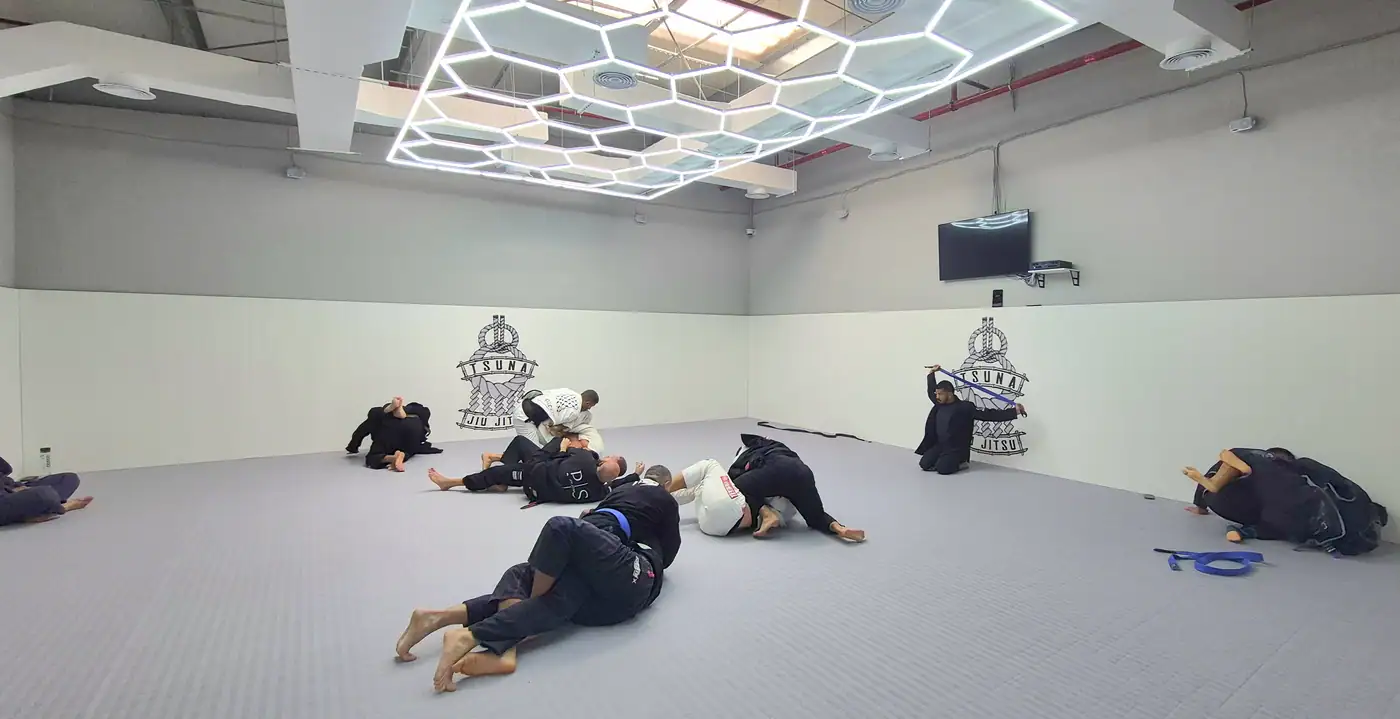
Walking into a Brazilian Jiu-Jitsu academy for the first time can feel intimidating, especially if you have never tried a martial art. The good news is that beginners do not need to know techniques, be especially flexible or arrive in peak physical condition.
Your first session is mainly about learning how the class works, meeting the coach and deciding whether the environment is somewhere you would enjoy training regularly.
What happens in a typical beginner session?
Most classes start with a warm-up or movement drills. The instructor then demonstrates a position or technique and gives students time to practise with a partner. Depending on the lesson, there may be controlled positional exercises, optional sparring or a beginner-specific alternative.
Every academy has its own teaching structure. Before the trial, ask what that particular class includes and whether you will be expected to grapple with resistance. A good instructor should make it clear how to participate safely.
What should you wear?
For a trial class, ask the academy whether a training gi is provided. For no-gi sessions, students typically wear fitted athletic clothing suitable for close contact. Avoid clothes with zips, exposed pockets or hard accessories.
Bring water, arrive a little early and keep fingernails and toenails trimmed. Remove jewellery and wear clean training clothes. Shoes stay off the mats, while footwear should be used when walking to bathrooms or changing areas.
- Message the academy before your first session to confirm clothing requirements.
- Tell the coach about previous injuries or mobility limitations.
- You do not need to buy expensive equipment before deciding to continue.
Do you need to be fit before you start?
No. Training itself develops familiarity with the movements and demands of grappling. That said, the first few sessions can feel physically unfamiliar, and it is sensible to work at a manageable pace rather than try to match experienced students.
Take breaks when needed and speak up if you are uncomfortable. Tap early during submissions, release immediately when a partner taps, and avoid uncontrolled movements. Training should be cooperative, especially at the beginning.
Gi, no-gi and fundamentals: which should you choose?
Gi classes use the traditional uniform and include grips on the jacket and trousers. No-gi uses different clothing and grip options. Both are forms of Brazilian Jiu-Jitsu, and beginners can learn in either format.
A dedicated fundamentals class provides a structured introduction to the positions and language of BJJ. If your schedule only allows an all-levels class, ask how the coach supports new students during drills.
Choosing a BJJ academy in Dubai
Convenience matters: a nearby academy with a timetable you can attend consistently may be a better fit than one that is difficult to reach. But also consider class structure, cleanliness, coaching approach, partner safety and the community you encounter.
At Tsuna Jiu Jitsu Academy in Al Quoz, we welcome adults exploring BJJ for the first time. You can view the class schedule, visit the training space and arrange a free trial to see the environment for yourself.
Common questions
Will I have to spar in my first class?
Not necessarily. Formats vary by session. Ask the coach before the trial and explain if you would prefer to observe or stick to controlled drills initially.
Can I start BJJ if I am over 30 or 40?
Many adults begin later in life. Training intensity should be adapted to individual fitness, health and recovery, with medical advice where appropriate.
How many classes per week should a beginner attend?
One or two consistent sessions can be a manageable start. Choose a routine you can sustain before increasing training volume.